
Abaya Wholesale Price Explained: What Affects Cost & How to Buy Smart in Bulk
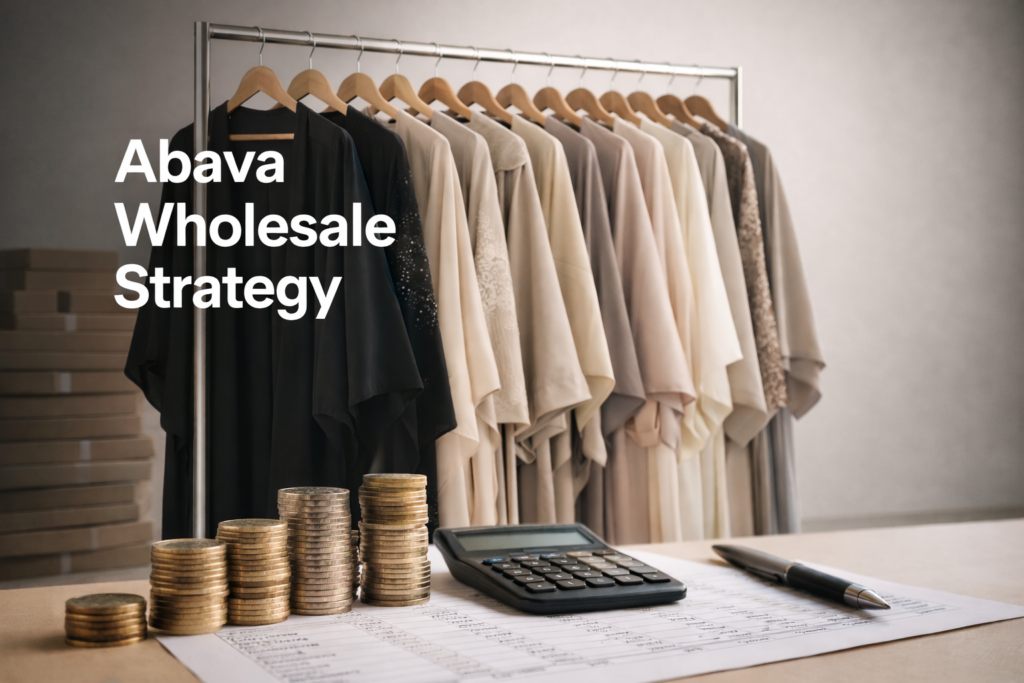
If you’re planning to source abayas in bulk, understanding abaya wholesale price is one of the most important steps before choosing a supplier. Many fashion brands make the mistake of comparing prices only—without understanding why prices vary and what they are actually paying for.
In this guide, we’ll break down what affects abaya wholesale pricing, how MOQ influences cost, and how you can buy abayas in bulk without compromising quality or brand reputation.
What Is the Average Abaya Wholesale Price?
There is no single fixed abaya wholesale price. Wholesale costs depend on several variables, including fabric quality, design complexity, order quantity, and customization requirements.
Generally, wholesale pricing is calculated per piece, but that price changes significantly based on:
- Volume of the order
- Whether the design is ready-made or custom
- Fabric and embellishment choices
- Production location and timeline
This is why two suppliers may quote very different prices for what looks like a “similar” abaya.
👉 If you’re new to bulk sourcing, we recommend reading our Abaya Wholesale Buying Guide first to understand the full wholesale process.
Key Factors That Affect Abaya Wholesale Pricing
Fabric Type & Material Quality
Fabric is one of the biggest cost drivers in abaya manufacturing. Lightweight nida, crepe, chiffon, and satin all have different price ranges. Premium fabrics increase comfort and durability—but also increase cost.
Lower price usually means thinner fabric or shorter lifespan.
Design Complexity & Embellishments
Simple abayas with minimal stitching cost less than designs that include:
- Hand embroidery
- Stone or bead work
- Layered cuts
- Pleats or panels
More detailing means more labor time, which directly affects the abaya wholesale cost.
MOQ (Minimum Order Quantity)
MOQ has a direct impact on per-piece price.
- Low MOQ → higher abaya price per piece
- Higher MOQ → lower unit cost
Manufacturers spread production, sampling, and setup costs across the total quantity. That’s why bulk orders get better pricing.
Custom Sizing & Private Labeling
Custom sizing, brand labels, hang tags, and packaging add extra production steps. These are essential for growing brands—but they do affect pricing.
Private labeling is an investment in brand value, not just cost.
Production Location & Labor Cost
Manufacturing location plays a big role in pricing. Countries with strong textile industries and skilled labor often provide better value—not just cheaper prices.
Choosing the right manufacturer balances cost, quality, and reliability.
Packaging & Export Requirements
Export-ready packaging, poly bags, carton standards, and compliance documentation can slightly increase cost—but they protect your shipment and brand image.
How MOQ Impacts Abaya Wholesale Price
MOQ is often misunderstood by new buyers. A lower MOQ might feel safer, but it usually results in a higher per-piece cost.
For example:
- Small boutique brands may start with low MOQ to test designs
- Growing brands benefit from mid-range MOQ to balance cash flow and pricing
- Established brands use high MOQ to maximize margins
If you’re unsure what MOQ fits your business stage, our Wholesale Buying Guide explains this in detail.
Wholesale vs Custom Abaya Pricing: What’s the Difference?
Wholesale (Ready Designs):
- Faster production
- Lower cost
- Limited design changes
Custom Abayas:
- Unique designs for your brand
- Sampling required
- Higher initial cost but stronger brand identity
Many successful brands start with wholesale designs and gradually move into custom manufacturing as they scale.
👉 Learn how to choose the right production model in our Abaya Manufacturers Guide.
How to Get the Best Abaya Wholesale Price Without Sacrificing Quality
Here’s how smart buyers protect both profit and brand reputation:
- Ask for fabric specifications, not just photos
- Request samples before bulk orders
- Compare value, not just price
- Communicate long-term partnership plans
- Avoid suppliers who undercut unrealistically
Cheap pricing often leads to inconsistent quality, delays, or damaged brand trust.
Final Thoughts: Choose Value, Not Just the Lowest Abaya Wholesale Price
The right abaya wholesale price is one that supports quality, consistency, and scalability. A reliable manufacturer doesn’t just sell abayas—they support your brand’s growth.
If you’re looking for a manufacturing partner who understands bulk production, customization, and long-term brand needs, working directly with an experienced manufacturer can make all the difference.
To see our latest designs, manufacturing updates, and behind-the-scenes work, you can also follow Aladdin Clothing on Facebook, where we regularly share insights from our production floor and wholesale projects.

Afreen Hafsa is a fashion designer specializing in modest wear and abaya design. With over a decade of hands-on experience in fashion design training, fabric selection, and production coordination, she works closely with manufacturing teams to ensure quality, fit, and practicality for wholesale and bulk orders.
4 Replies to