
Best Fabric for Abaya: Complete Material Guide for Quality, Comfort & Luxury
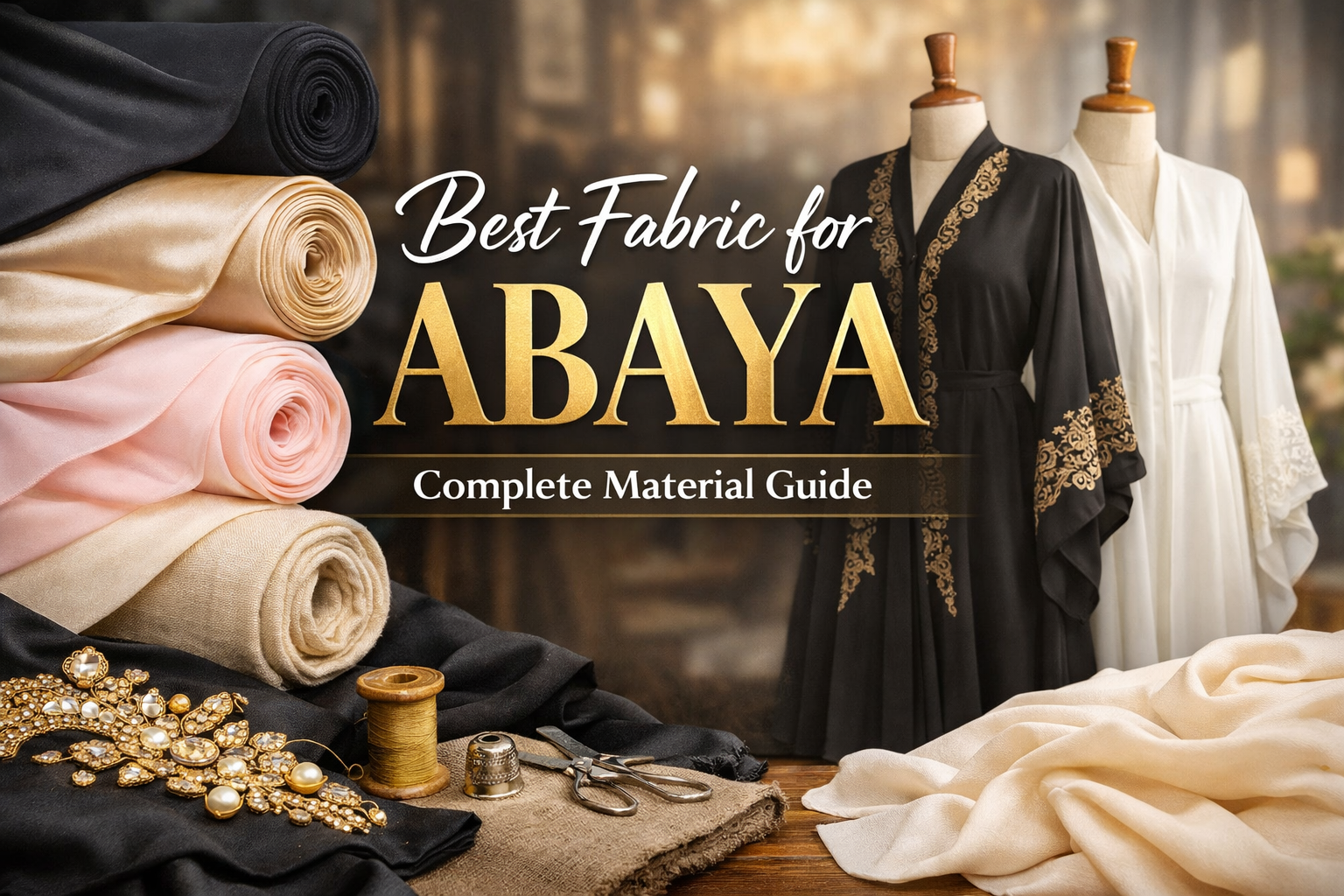
Choosing the best fabric for abaya is one of the most important decisions for both fashion brands and wholesale buyers. The fabric determines not only the overall appearance of the abaya but also its comfort, durability, pricing, and customer satisfaction.
In today’s modest fashion industry, customers expect abayas that feel lightweight, breathable, and elegant while maintaining long-lasting quality. Boutique owners, designers, and wholesale buyers often struggle to choose the right material because different fabrics serve different purposes — from daily wear abayas to luxury and occasion designs.
Understanding abaya fabric types such as nida, chiffon, crepe, satin, and cotton blends can help buyers and brands make better sourcing decisions. Each fabric has unique characteristics that influence production cost, styling options, and seasonal demand.
In this complete guide, we will explain the most popular abaya fabrics, how to evaluate their quality, and how to select the right material based on usage, climate, and brand positioning. Whether you are launching your own abaya collection or sourcing products in bulk, this guide will help you make confident and profitable fabric decisions.
Why Fabric Selection Matters in Abaya Design
Fabric selection plays a crucial role in determining the overall quality, appearance, and customer experience of an abaya. Even the most beautiful design can fail if the fabric does not match the intended purpose or market expectations. For abaya brands and wholesale buyers, understanding fabric impact is essential for building a successful and trusted product line.
✔ Comfort & Wearability
Abayas are worn for long hours, making comfort one of the most important factors. Lightweight and breathable fabrics allow better airflow and prevent discomfort, especially in warm climates such as the Middle East, South Asia, and tropical regions. Fabrics that are too heavy or poorly ventilated can negatively affect customer satisfaction and brand reputation.
✔ Design & Visual Appeal
The fabric directly influences how an abaya drapes and flows. Premium fabrics create elegant movement and structure, which enhances the overall luxury feel of the garment. Some fabrics provide a soft and graceful fall, while others offer more structure and volume, making them suitable for different fashion styles.
Professional designers often choose fabric based on how well it supports embroidery, embellishments, layering, and modern cutting techniques. Selecting the wrong material can limit design possibilities and reduce product uniqueness.
✔ Durability & Product Longevity
Customers expect abayas to maintain their quality even after repeated use and washing. High-quality fabrics resist fading, shrinking, and stitching damage, which increases customer trust and encourages repeat purchases. For wholesale buyers, durable fabrics reduce return rates and improve brand reliability in competitive markets.
✔ Pricing & Market Positioning
Fabric choice is one of the biggest factors affecting production cost. Premium fabrics such as luxury nida or high-grade satin increase manufacturing expenses but allow brands to target high-end markets. On the other hand, budget-friendly fabrics help brands attract price-sensitive buyers and bulk retailers.
Successful abaya brands balance fabric quality with pricing strategy to maintain profitability while meeting customer expectations.
✔ Seasonal & Regional Demand
Different markets require different fabric types depending on climate and cultural preferences. Lightweight fabrics are highly preferred during summer and in hotter regions, while thicker fabrics are suitable for colder climates and winter collections. Understanding seasonal demand helps manufacturers and buyers plan collections more effectively and avoid inventory risks.
Most Popular Abaya Fabric Types
Selecting the right fabric starts with understanding the materials most commonly used in abaya manufacturing. Each fabric offers unique benefits in terms of comfort, appearance, durability, and pricing. Fashion designers and wholesale buyers usually select fabric based on market demand, seasonal trends, and product positioning.
Below are some of the most widely used fabrics in modern abaya production.
✔ Nida Fabric — The Premium Abaya Standard
Nida is widely considered the best fabric for abaya for daily wear because of its softness and breathable nature in abaya manufacturing, especially in Gulf and Middle Eastern markets. It is known for its soft texture, smooth finish, and elegant drape, making it ideal for both daily wear and premium collections.
High-quality nida fabric is lightweight, wrinkle-resistant, and comfortable for long-hour wear. These characteristics make it highly preferred by boutique owners and brands targeting the luxury modest fashion segment.
From a design perspective, nida fabric provides excellent support for embroidery, embellishments, and layered designs. According to fashion designers, the smooth surface of nida allows decorative elements to stand out clearly while maintaining the abaya’s elegant structure.
✔ Chiffon Fabric — Elegant & Occasion-Focused
Chiffon fabric is often considered one of the best fabric for abaya options for fashion-forward designs, especially for occasion wear and layered styling. It is known for its lightweight, semi-transparent texture and elegant flowing movement, which creates a graceful and sophisticated appearance.
Chiffon is often combined with inner lining fabrics to provide proper coverage and structure. Designers frequently use chiffon for sleeve detailing, cape-style abayas, and luxury fashion collections.
While chiffon offers strong visual appeal, it requires careful stitching and handling during manufacturing to maintain durability and finishing quality.
✔ Crepe Fabric — Durable & Everyday Wear Choice
Crepe fabric is one of the best fabric for abaya practical materials used in abaya production. It offers durability, wrinkle resistance, and affordability, making it highly suitable for everyday abayas and bulk wholesale orders.
Crepe fabrics provide moderate structure while still maintaining comfortable movement. This balance makes them popular among retailers who want to offer stylish yet budget-friendly abayas.
Wholesale buyers often choose crepe fabric when they want to maintain consistent production quality while keeping pricing competitive.
✔ Satin Fabric — Luxury & Formal Abaya Designs
Satin fabric is often considered one of the best fabric for abaya options when creating luxury and occasion wear designs. It is widely used in wedding abayas, party wear, and premium fashion collections where visual elegance and richness are essential.
As a best fabric for abaya for high-end styling, satin provides a smooth, glossy finish that enhances decorative embroidery and handwork. However, designers typically use satin selectively because it requires precise stitching and high-quality finishing to maintain its premium appearance.
✔ Cotton & Linen Blends — Breathable & Climate-Friendly
Cotton and linen blend fabrics are often considered among the best fabric for abaya options for summer and casual modest wear collections. These fabrics are highly valued for their breathability and natural comfort, making them ideal choices for hot weather regions.
While cotton and linen blends may not always offer the same luxury appearance as nida or satin, they remain a best fabric for abaya choice for customers who prioritize comfort, practicality, and everyday usability. Designers frequently use these fabrics for relaxed-fit abayas, travel-friendly collections, and lightweight seasonal designs.
💬 Designer Insight
Fashion designers often evaluate abaya fabrics not only based on texture and appearance but also on how the material supports long-term garment structure. According to professional design experience, fabric that maintains consistent drape and color quality after repeated washing significantly increases customer satisfaction and brand loyalty.
How Fabric Quality Affects Abaya Pricing
Fabric quality is one of the most influential factors in determining abaya wholesale pricing. While many buyers initially compare prices between suppliers, experienced wholesale buyers and fashion brands understand that fabric quality directly impacts production cost, product durability, and long-term brand value.
Even small variations in fabric quality can create noticeable differences in final garment pricing and customer satisfaction.
✔ Fabric Origin & Material Grade
The origin of fabric plays a significant role in abaya manufacturing cost. Premium fabrics that are produced using higher-grade fibers and advanced weaving techniques generally cost more but provide better softness, durability, and visual elegance.
Manufacturers often source fabrics from different textile markets depending on quality requirements and production goals. Buyers targeting luxury or boutique markets usually choose higher-grade materials, while mass-market retailers may prefer cost-efficient alternatives.
✔ Fabric Weight & Thickness (GSM)
Fabric weight, often measured in GSM (grams per square meter), influences both comfort and pricing. Lightweight fabrics create a soft and breathable abaya feel, while heavier fabrics provide structure and durability.
Higher GSM fabrics usually require more material consumption and can increase production cost. However, they often improve garment longevity and customer satisfaction, making them a valuable investment for premium collections.
✔ Dye Quality & Color Durability
Color finishing and dyeing processes also impact fabric cost. High-quality dye treatments prevent fading, bleeding, and discoloration after washing or long-term use.
Luxury abaya brands and professional wholesale buyers typically prioritize fabrics that maintain color consistency across multiple production batches. Poor dye quality can damage brand reputation and increase return rates, which ultimately becomes more expensive than investing in premium fabric from the beginning.
✔ Weaving & Surface Finishing
Fabric weaving technique determines texture, strength, and overall garment appearance. Smooth and tightly woven fabrics often provide better drape and embroidery support, which enhances the visual appeal of abayas.
Surface finishing treatments such as wrinkle resistance, shrink control, and softness enhancement can also increase fabric cost. However, these finishing processes improve garment performance and customer experience.
✔ Impact of Fabric Quality on Wholesale Profitability
While premium fabrics increase initial production cost, they often improve long-term business profitability. Higher-quality materials reduce manufacturing defects, increase product durability, and strengthen brand credibility.
Wholesale buyers who focus only on lower pricing may face quality complaints, inconsistent sizing, and customer dissatisfaction. On the other hand, buyers who invest in fabric quality often build stronger customer loyalty and repeat purchase demand.
💬 Designer Insight
From a fashion design perspective, selecting fabric based on long-term garment performance is essential. Designers typically prioritize materials that maintain drape, color stability, and structural integrity after repeated wear and washing. These characteristics play a major role in defining whether an abaya collection feels premium or average in the customer’s hands.
Best Fabric Based on Abaya Use Case
Choosing the best fabric for abaya depends heavily on how the garment will be used. Different fabrics serve different purposes, and selecting the right material helps brands meet customer expectations while maintaining production efficiency and pricing balance.
Below is a practical comparison of popular abaya fabrics based on their most suitable use cases.
✔ Fabric Comparison Guide
| Abaya Use | Recommended Fabric | Why It Works |
|---|---|---|
| Daily Wear Abayas | Crepe / Cotton Blend | Comfortable, durable, and budget-friendly for everyday use |
| Luxury Boutique Collections | Premium Nida Fabric | Soft texture, elegant drape, and premium market appeal |
| Party & Occasion Abayas | Satin / Chiffon | Provides glossy finish and stylish flowing appearance |
| Summer & Hot Climate Abayas | Linen / Lightweight Nida | Breathable and comfortable for warm weather regions |
| Travel & Casual Fashion Abayas | Cotton Blend / Soft Crepe | Lightweight, easy to maintain, and wrinkle-resistant |
✔ Best Fabric for Daily Wear Abayas
For everyday abayas, comfort and durability are the most important factors. Crepe fabric and cotton blends are widely preferred because they provide breathable comfort while maintaining strong fabric structure. These materials also support cost-effective wholesale production, making them ideal for bulk retail collections.
✔ Best Fabric for Luxury & Boutique Abayas
Luxury abaya collections require fabrics that create premium visual appeal and elegant garment flow. Premium nida fabric is often the top choice because of its smooth surface, wrinkle resistance, and high-end market perception.
Fashion designers frequently select nida fabric when working with embroidery, embellishments, or modern luxury styling.
✔ Best Fabric for Party & Occasion Abayas
Special event abayas often use satin or chiffon fabrics. Satin provides a rich, glossy appearance that enhances decorative detailing, while chiffon creates graceful layered movement suitable for modern fashion designs.
These fabrics are commonly used in wedding collections, festive wear, and designer fashion abayas.
✔ Best Fabric for Summer & Hot Climate Regions
In warmer climates, breathable fabrics play a major role in customer comfort. Linen blends and lightweight nida fabrics allow better airflow while maintaining modest coverage.
These materials are particularly popular in Middle Eastern and tropical markets where lightweight abayas are essential for daily wear.
✔ Best Fabric for Travel & Casual Modest Wear
Travel-friendly abayas require fabrics that resist wrinkles and maintain shape during movement. Soft crepe and cotton blend fabrics are often used for these collections because they combine durability, comfort, and easy maintenance.
💬 Designer Insight
Professional designers often recommend selecting abaya fabrics based on lifestyle usage rather than only fashion appearance. Fabric that supports movement, climate comfort, and long-term wearability usually performs better in customer satisfaction and repeat purchases.
How Wholesale Buyers Should Choose Abaya Fabric
For wholesale buyers, choosing abaya fabric is not only about appearance or cost. Fabric selection directly affects production consistency, customer satisfaction, return rates, and long-term brand credibility. Professional buyers usually follow a structured evaluation process before confirming bulk orders.
Below is a practical checklist that helps wholesale buyers select the right abaya fabric with confidence.
✔ Request Fabric Samples & Swatches
Before confirming bulk production, buyers should always request fabric swatches or sample garments. Physical samples allow buyers to check texture, softness, weight, and overall material performance.
Fabric samples also help brands test how the material behaves during stitching, embroidery, and finishing. This step reduces the risk of receiving bulk products that differ from expectations.
✔ Check Fabric Shrinkage & Durability
Quality fabrics should maintain shape and structure after washing. Buyers often perform simple shrink tests or wash tests on samples to evaluate fabric performance.
Shrink-resistant fabrics improve garment longevity and reduce customer complaints, which is especially important for wholesale retailers and fashion brands building long-term trust.
✔ Evaluate Color Consistency & Dye Quality
Bulk production requires consistent color finishing across multiple units. Wholesale buyers should confirm that the fabric maintains color stability during washing and long-term use.
Color inconsistency between batches can damage brand identity and create inventory management challenges. Professional manufacturers usually maintain strict dye quality control to ensure consistency.
✔ Understand Fabric Source & Quality Standards
Wholesale buyers often ask manufacturers about fabric sourcing, weaving quality, and finishing treatments. Reliable manufacturers maintain transparent supply chains and quality control processes.
Knowing fabric origin helps buyers maintain consistent product quality across multiple production cycles.
✔ Match Fabric With Target Market & Climate
Successful wholesale buyers select fabrics based on customer lifestyle and regional climate conditions. Lightweight fabrics are preferred in warmer markets, while structured fabrics are suitable for cooler regions or formal collections.
Matching fabric selection with market demand improves product acceptance and sales performance.
✔ Consider Long-Term Production Scalability
Wholesale buyers planning to grow their brand should choose fabrics that remain available and consistent across future production orders. Selecting rare or limited fabrics may create challenges when scaling collections.
Working with manufacturers who maintain reliable fabric supply helps brands expand smoothly without design or quality disruptions.
💬 Designer Insight
From a fashion design perspective, fabric selection should balance both creative vision and production practicality. Designers usually prioritize fabrics that maintain drape, stitching strength, and color stability over time. These characteristics help ensure that bulk production maintains the same quality as approved samples.
Common Mistakes When Choosing Abaya Fabric
Even experienced buyers and designers can make mistakes when selecting abaya fabrics. These errors often lead to quality issues, unexpected costs, and customer dissatisfaction. Understanding these common mistakes helps brands and wholesale buyers make smarter sourcing decisions.
✔ Choosing Fabric Based Only on Price
One of the most frequent mistakes is selecting fabric purely because it offers the lowest wholesale price. While budget control is important, extremely low-cost fabrics often compromise durability, comfort, and finishing quality.
Low-grade materials may fade, shrink, or lose structure quickly, which increases return rates and harms brand reputation. Successful brands usually evaluate fabric value rather than focusing only on cost.
✔ Ignoring Climate & Market Suitability
Different markets require different fabric characteristics. Lightweight and breathable fabrics are preferred in warmer climates, while thicker fabrics may be suitable for colder regions or structured designs.
Choosing fabric without considering climate or customer lifestyle often results in poor product acceptance and slow inventory movement.
✔ Skipping Fabric Testing Before Bulk Orders
Some buyers approve bulk production without properly testing fabric samples. Without sample evaluation, it becomes difficult to verify texture, shrinkage resistance, dye stability, and stitching performance.
Fabric testing helps confirm that production results match design expectations and prevents costly manufacturing mistakes.
✔ Selecting Fabric That Does Not Support Design Requirements
Certain fabrics are not suitable for heavy embroidery, layering, or structured cutting techniques. Designers usually choose fabrics that support decorative work while maintaining garment durability.
Ignoring fabric compatibility with design details can lead to finishing defects or reduced product quality.
✔ Choosing Inconsistent or Limited Fabric Sources
Selecting fabrics that are difficult to source consistently can create production challenges when scaling collections. Brands that rely on unstable supply chains may struggle to maintain consistent quality or repeat successful designs.
Working with manufacturers that maintain reliable fabric sourcing helps ensure long-term production stability.
💬 Designer Insight
Professional fashion designers often evaluate abaya fabrics by testing how the material performs during stitching, washing, and long-term wear. Fabric that maintains drape, softness, and structural strength after repeated use usually delivers better customer satisfaction and stronger brand loyalty.
Frequently Asked Questions About the Best Fabric for Abaya
Q1: What is the best fabric for abaya for daily wear?
The best fabric for abaya for daily wear is usually crepe or cotton blends. These fabrics provide comfort, durability, wrinkle resistance, and affordability, making them ideal for everyday modest fashion.
Q2: Which fabric is best for luxury or designer abayas?
Premium nida and satin are widely considered the best fabric for abaya collections that focus on luxury and elegance. These fabrics offer a smooth texture, graceful drape, and premium appearance suitable for boutique and designer collections.
Q3: What is the best fabric for abaya in hot weather?
Lightweight nida, linen blends, and breathable cotton fabrics are often the best fabric for abaya in warm climates. These materials allow airflow while maintaining modest coverage and comfort during long wear.
Q4: Is chiffon a good fabric choice for abayas?
Yes, chiffon is considered one of the best fabric for abaya designs for occasion wear and layered styles. It provides a soft, flowing appearance but usually requires inner lining for proper structure and modesty.
Q5: How do wholesale buyers choose the best fabric for abaya?
Wholesale buyers typically evaluate fabric quality by checking texture, shrink resistance, dye durability, and stitching compatibility. Selecting the best fabric for abaya helps buyers maintain product quality and reduce customer complaints.
When sourcing wholesale abayas, working with reliable manufacturers is important. You can read our complete guide here: [Abaya Manufacturers: How to Choose the Right Supplier for Your Brand]
Q6: Does fabric quality affect abaya wholesale pricing?
Yes, fabric quality plays a major role in determining abaya pricing. Higher-quality materials increase production cost but improve durability, brand value, and customer satisfaction, making them a better long-term investment.
Q7: How do manufacturers select the best fabric for abaya production?
Professional manufacturers evaluate fabric softness, drape quality, durability, and long-term performance before selecting materials. Choosing the best fabric ensures consistent production quality and customer satisfaction.
Conclusion: Choosing the Right Fabric Builds Strong Abaya Collections
Selecting the best fabric for abaya production is one of the most important decisions for fashion brands, boutique owners, and wholesale buyers. Fabric choice influences comfort, durability, visual appeal, pricing, and long-term customer satisfaction. Understanding how different materials perform helps businesses create collections that match both market demand and brand positioning.
From premium nida fabrics used in luxury collections to breathable cotton and linen blends suitable for everyday wear, each fabric offers unique benefits depending on usage, climate, and design goals. Buyers who evaluate fabric quality carefully often build stronger customer trust and maintain consistent product performance across multiple production cycles.
Professional manufacturers and designers usually recommend selecting fabrics based on long-term garment performance rather than short-term cost savings. Materials that maintain color stability, structural integrity, and comfortable wearability often deliver better business results and stronger brand reputation.
At Aladdin Clothing, we carefully select the best fabric for abaya production based on international quality standards. By working closely with fabric suppliers and design specialists, the production team focuses on maintaining quality consistency, comfort standards, and reliable bulk manufacturing support for wholesale buyers and fashion brands.
To explore more about selecting the right manufacturing partner and understanding wholesale buying processes, you can also read:
👉 Abaya Manufacturers: How to Choose the Right Supplier for Your Brand
👉 Abaya Wholesale Buying Guide: MOQ, Pricing & Quality Checklist
👉 Abaya Wholesale Price Explained: What Affects Cost & How to Buy Smart in Bulk
Understanding fabric quality, manufacturing processes, and wholesale strategies together helps businesses make confident sourcing decisions and build successful abaya collections.

Afreen Hafsa is a fashion designer specializing in modest wear and abaya design. With over a decade of hands-on experience in fashion design training, fabric selection, and production coordination, she works closely with manufacturing teams to ensure quality, fit, and practicality for wholesale and bulk orders.
This guide really sheds light on how fabric choice aligns with the specific needs of different abayas, like those for everyday wear versus luxury occasions. It makes me think about how fabric plays into the wearability and lifespan of the garment.